
Why you need a list of belongings before calculating the cost
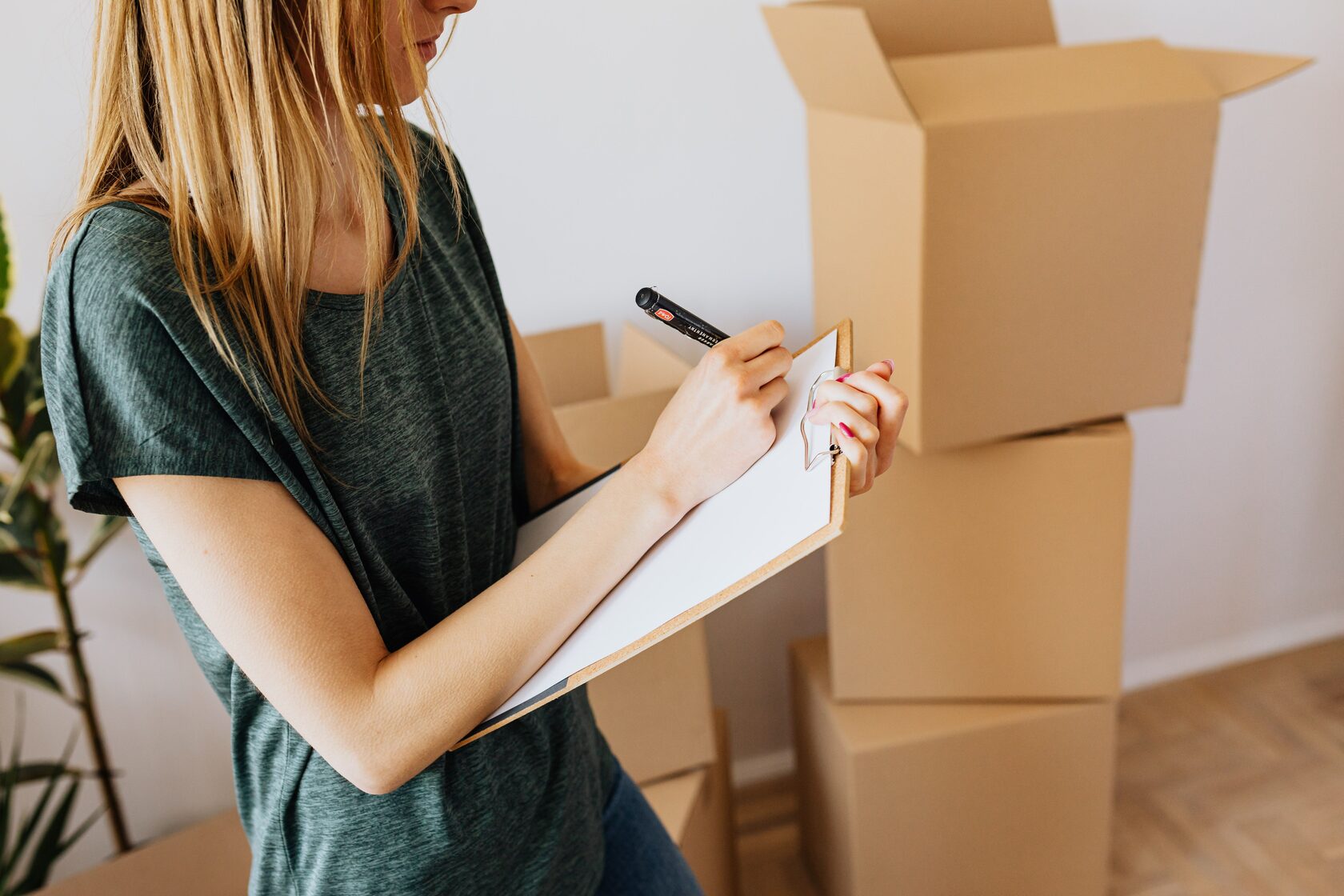
The cost of a move from Germany depends on more than just the route. The calculation is affected by the volume of cargo, the amount of furniture, appliances, the floor, whether there's an elevator, whether movers are needed, and the specifics of loading.
A list of belongings helps:
The more accurate the list, the more accurate the cost and timeframe calculation.
A list of belongings helps:
- determine the approximate volume of the move;
- figure out whether a dedicated vehicle is needed;
- assess whether shared transport is possible;
- calculate loading time;
- account for large furniture;
- prepare appliances in advance;
- arrange movers;
- cut unnecessary costs.
The more accurate the list, the more accurate the cost and timeframe calculation.
Where to start making the list
Start not with boxes, but with a general sorting of your belongings.
Divide your belongings into four groups:
- Definitely moving
- These are things you'll definitely need in the new home: furniture, appliances, clothing, documents, work items, children's belongings.
- Need to review
- Items you haven't decided on yet: some furniture, seasonal items, dishware, books, decor.
- Not moving
- Things you can sell, give away, leave behind, or dispose of.
- Taking with you personally
- Documents, bank cards, keys, medication, laptop, valuables, and chargers.
This approach helps immediately reduce the volume of the move.
How to sort your belongings by room
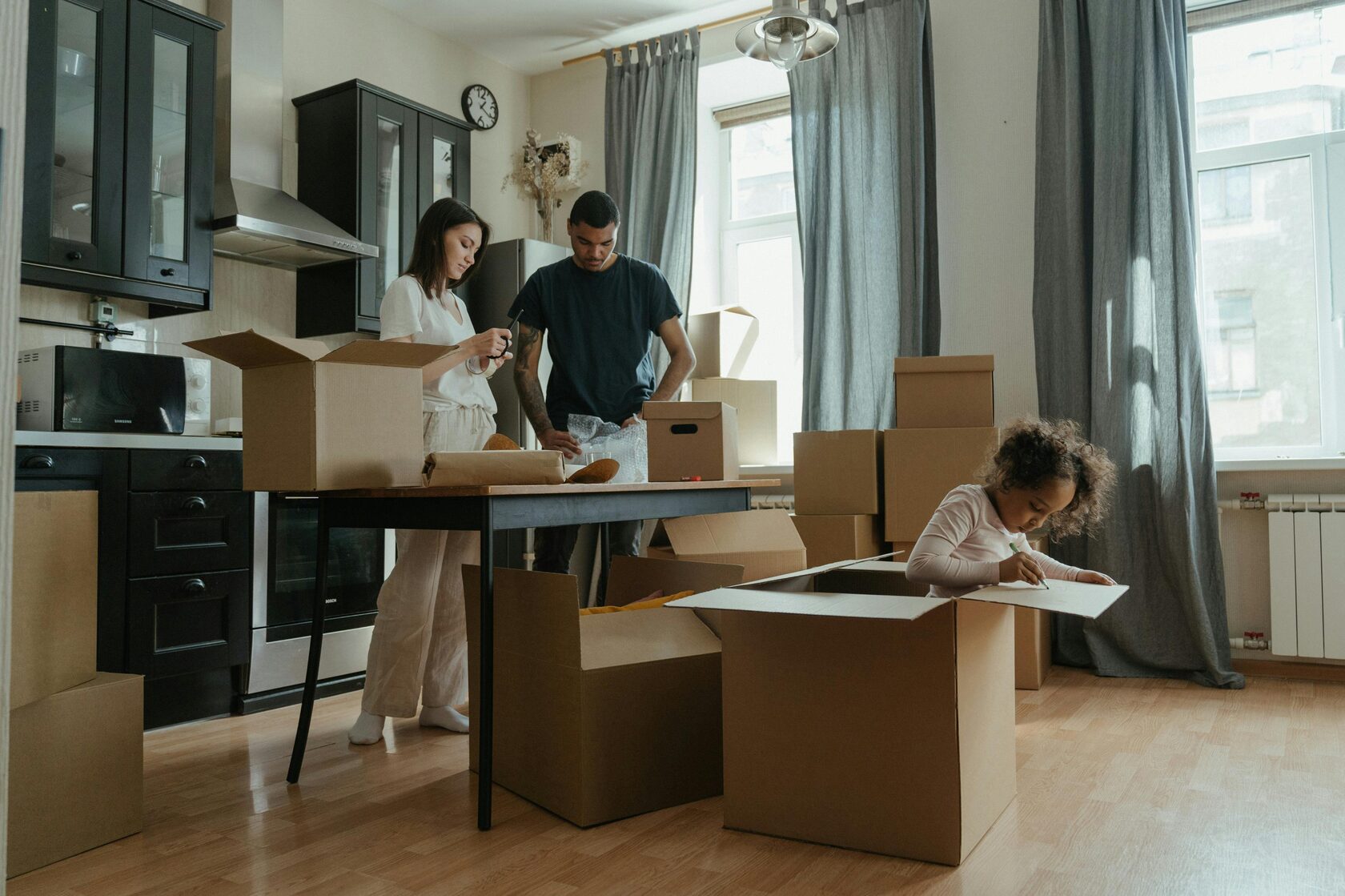
The easiest way is to go room by room.
Bedroom
Include in your list:
It's best to mark large furniture separately in advance, since it affects the vehicle's volume.
- bed;
- mattress;
- wardrobe;
- dresser;
- nightstands;
- clothing;
- bedding;
- seasonal items;
- mirrors;
- boxes with personal belongings.
It's best to mark large furniture separately in advance, since it affects the vehicle's volume.
Living room
Check:
If there are fragile items, note this in the list.
- sofa;
- armchairs;
- table;
- shelving units;
- TV;
- audio equipment;
- decor;
- books;
- rugs;
- boxes with small items.
If there are fragile items, note this in the list.
Kitchen
Include in your list:
Before transport, kitchen appliances need to be cleaned, dried, and prepared by you.
- dishware;
- small appliances;
- coffee machine;
- microwave;
- kitchen table;
- chairs;
- dishwasher, if it's being moved;
- refrigerator, if it's being moved.
Before transport, kitchen appliances need to be cleaned, dried, and prepared by you.
Kids' room
List separately:
It's best to keep some children's items in a separate box for the first few days after the move.
- children's bed;
- dresser;
- toys;
- books;
- clothing;
- stroller;
- bicycle;
- school supplies.
It's best to keep some children's items in a separate box for the first few days after the move.
Work area or office
Include in your list:
Laptops, important documents, and data storage devices are best kept with you.
- desk;
- office chair;
- computer;
- monitor;
- printer;
- documents;
- cables;
- work equipment;
- boxes with office items.
Laptops, important documents, and data storage devices are best kept with you.
What must be included in the list of belongings
For the carrier, what matters isn't just the names of items, but also their quantity, size, and specific features.
It's a good idea to indicate in the list:
- the number of boxes;
- large furniture;
- home appliances;
- fragile items;
- heavy items;
- unusually sized items;
- bicycles;
- mirrors;
- musical instruments;
- office equipment;
- items that need careful handling.
How to identify priority items
Priority items are the things you'll need right away after the move.
These include:
It's best to take some of these items with you personally. The rest can be packed in separate, labeled boxes marked "day one."
These include:
- documents;
- clothing for the first few days;
- basic dishware;
- chargers;
- laptop;
- medication;
- bedding;
- towels;
- children's items;
- work items.
It's best to take some of these items with you personally. The rest can be packed in separate, labeled boxes marked "day one."
What's best not to send with the general cargo
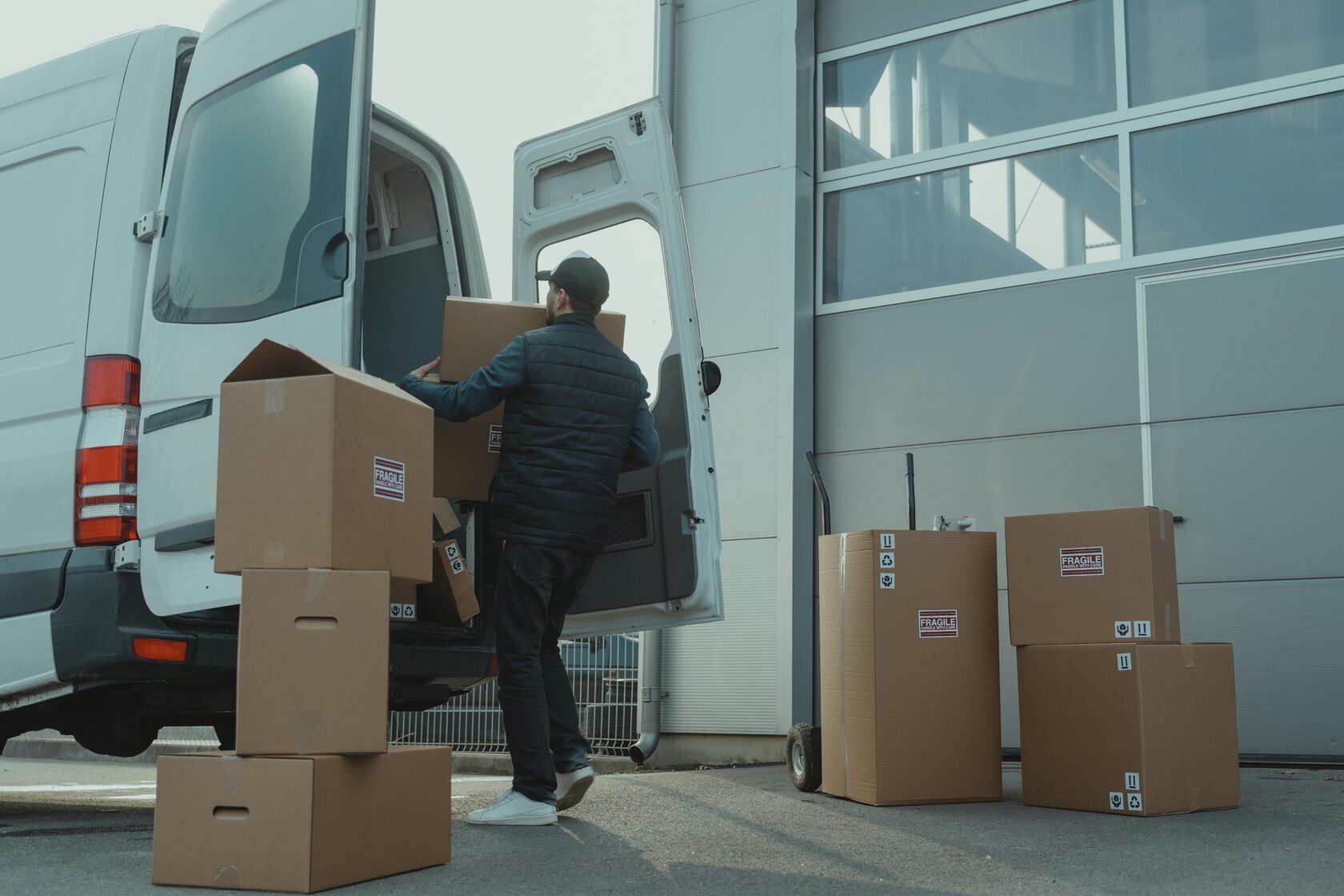
Some items are better off not being transported with the main cargo.
Keep with you:
This lets you access important items right after arrival.
Keep with you:
- passports;
- documents;
- bank cards;
- keys;
- medication;
- money;
- valuable jewelry;
- laptop;
- important data storage devices;
- housing contracts and documents.
This lets you access important items right after arrival.
How to reduce the volume of your move
The smaller the volume of cargo, the easier it is to organize the move, and the more precisely you can choose the right delivery format.
To reduce the volume:
Sometimes it's more cost-effective to buy some inexpensive furniture at your new place than to transport it across several countries.
To reduce the volume:
- sell furniture you don't need;
- give away items you haven't used in a while;
- don't transport damaged items;
- reconsider the amount of dishware;
- cut down on old clothing;
- go through your books and decor;
- get rid of duplicate appliances;
- disassemble large furniture;
- use reasonably sized boxes.
Sometimes it's more cost-effective to buy some inexpensive furniture at your new place than to transport it across several countries.
How to decide what's worth moving and what's not
Before your move, ask yourself a few questions:
If an item takes up a lot of space but is rarely used, it might not be worth including in the move.
- Has this item been used in the past year?
- Will it suit the new home?
- How much space will it take up in the vehicle?
- How valuable is it?
- Can you easily buy a replacement after the move?
- Is it hard to disassemble and transport?
- Does it have emotional or practical value?
If an item takes up a lot of space but is rarely used, it might not be worth including in the move.
How the list affects the choice of transport format
Once the list is put together, the manager can suggest the right format.
Dedicated vehicle
Suitable if you're transporting:
- the entire apartment;
- a lot of furniture;
- large appliances;
- a large number of boxes;
- office belongings;
- family belongings.
Shared cargo
Suitable if you need to transport:
The list helps quickly determine which option makes more sense.
- a few boxes;
- some furniture;
- a single appliance;
- personal belongings;
- a small volume of items.
The list helps quickly determine which option makes more sense.
How to prepare a list for your Go-Bring manager

To let the manager calculate your move, send:
You don't need to create a complicated table. A clear list in a message or file is enough.
Example of a list of belongings for a move
Boxes:
25 medium boxes with clothing, dishware, and personal belongings.
Furniture:
160×200 bed, mattress, wardrobe, dresser, sofa, table, 4 chairs.
Appliances:
refrigerator, washing machine, TV, coffee machine, microwave.
Additional:
bicycle, mirror, 2 rugs, stroller.
Conditions:
loading in Germany, 3rd floor, elevator available. Delivery to Poland, 2nd floor, elevator available. Movers needed.
A list like this is already enough for the manager to prepare a preliminary quote.
- the loading city in Germany;
- the delivery city;
- the desired date;
- a list of belongings;
- the number of boxes;
- photos of large furniture;
- information about the floors;
- details about the elevator;
- whether movers are needed;
- storage information, if needed.
You don't need to create a complicated table. A clear list in a message or file is enough.
Example of a list of belongings for a move
Boxes:
25 medium boxes with clothing, dishware, and personal belongings.
Furniture:
160×200 bed, mattress, wardrobe, dresser, sofa, table, 4 chairs.
Appliances:
refrigerator, washing machine, TV, coffee machine, microwave.
Additional:
bicycle, mirror, 2 rugs, stroller.
Conditions:
loading in Germany, 3rd floor, elevator available. Delivery to Poland, 2nd floor, elevator available. Movers needed.
A list like this is already enough for the manager to prepare a preliminary quote.
How to label boxes
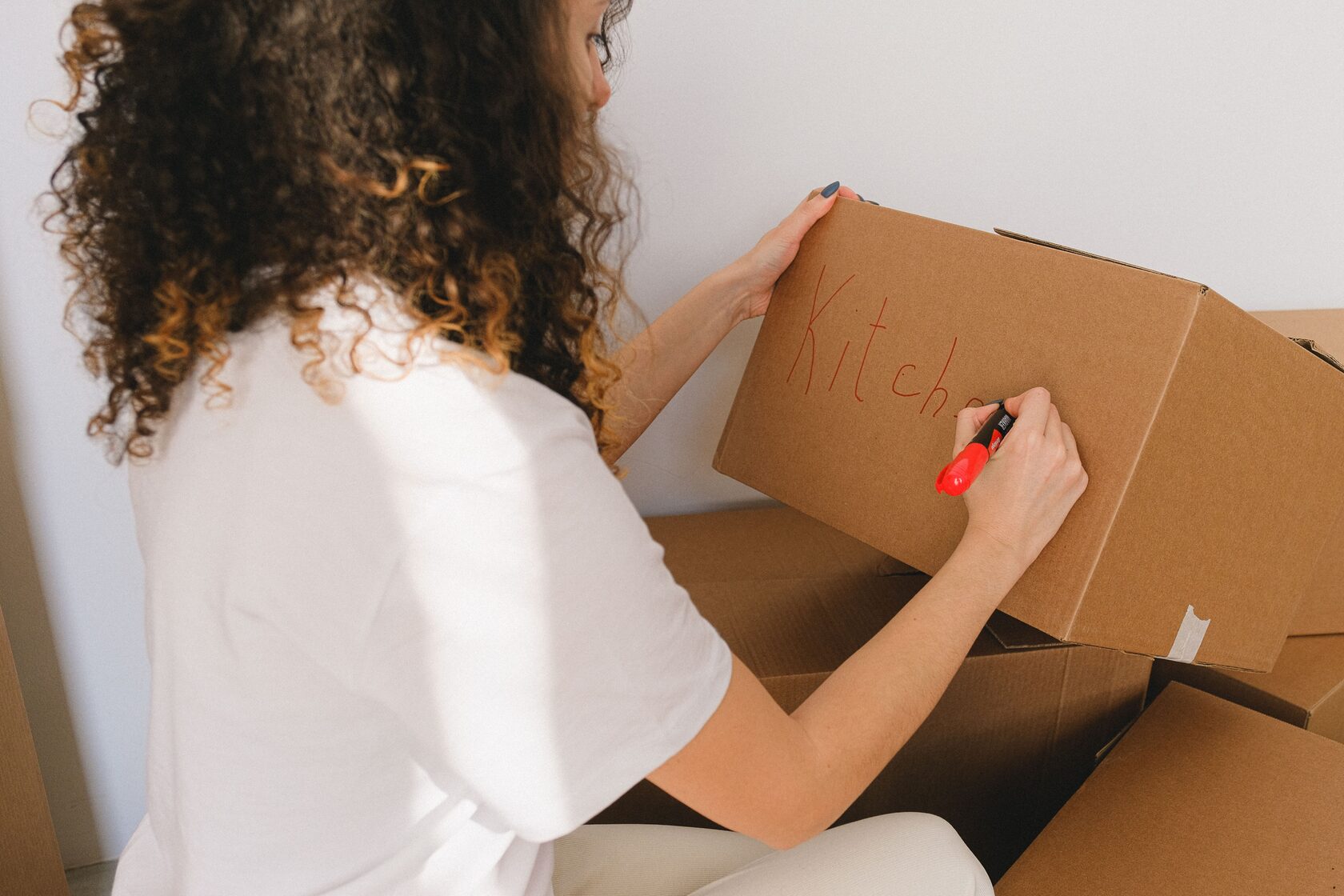
Labels on boxes help you navigate faster during unloading.
You can use a simple system:
If a box contains fragile items, label it clearly.
You can use a simple system:
- "kitchen";
- "bedroom";
- "kids' room";
- "documents";
- "clothing";
- "dishware";
- "day one";
- "fragile".
If a box contains fragile items, label it clearly.
How to list furniture
It's better to list furniture item by item, rather than simply writing "furniture."
More accurate:
If the furniture can be disassembled, note this. If not, provide approximate dimensions.
More accurate:
- 2-door wardrobe;
- 160×200 bed;
- mattress;
- 3-seat sofa;
- dining table;
- work desk;
- dresser;
- shelving unit;
- 4 chairs.
If the furniture can be disassembled, note this. If not, provide approximate dimensions.
How to list home appliances
It's also best to list home appliances individually:
Large appliances need to be unplugged, cleaned, and prepared for transport in advance.
- refrigerator;
- washing machine;
- dryer;
- TV;
- dishwasher;
- microwave;
- coffee machine;
- computer;
- monitor;
- printer.
Large appliances need to be unplugged, cleaned, and prepared for transport in advance.
How the list helps during loading
On loading day, the list helps you:
If you have a basement, storage room, balcony, or garage, check them separately.
- check your belongings faster;
- understand the loading order;
- single out fragile items;
- keep track of large furniture;
- not forget boxes from the storage room, basement, or garage;
- account for items that don't need to be shipped.
If you have a basement, storage room, balcony, or garage, check them separately.
What people often forget to add to the list
When moving from Germany, clients often forget:
Before finalizing the list, walk through all your rooms one more time.
- bicycles;
- strollers;
- seasonal tires;
- items from the basement;
- items from the garage;
- tools;
- rugs;
- mirrors;
- plants;
- lamps;
- office cables;
- small home appliances.
Before finalizing the list, walk through all your rooms one more time.
Cargo safety and insurance
A list of belongings not only helps calculate the cost, it also helps prepare a safer move.
If you have fragile, expensive, or unusual items, let the manager know in advance.
Go-Bring works:
This is especially important for international moves from Germany across Europe.
If you have fragile, expensive, or unusual items, let the manager know in advance.
Go-Bring works:
- under an official contract;
- with cargo insurance;
- with a personal manager;
- with full documentation support;
- with the option to provide movers by arrangement.
This is especially important for international moves from Germany across Europe.
Important: Go-Bring does not pack your cargo
The client prepares and packs their belongings themselves before the truck arrives.
Go-Bring organizes:
Go-Bring organizes:
- the transport calculation;
- route planning;
- the official contract;
- cargo insurance;
- loading;
- transport;
- delivery;
- support from a personal manager;
- movers by arrangement;
- storage if needed.
When you might need storage
If your move-out date from Germany and your move-in date in the new country don't match, you can discuss storage in advance.
Go-Bring can offer storage warehouses in:
Storage is convenient if the new home isn't ready yet, or if delivery needs to happen later.
Go-Bring can offer storage warehouses in:
- Warsaw;
- Berlin;
- Prague.
Storage is convenient if the new home isn't ready yet, or if delivery needs to happen later.
Why choose Go-Bring
Go-Bring has been organizing international moves and transport across Europe for more than 10 years.
Advantages of the company:
Main destinations: Germany, Poland, France, Spain, Portugal, Austria, and other European countries.
The team speaks Ukrainian, Russian, Polish, French, and English.
Checklist: how to make a list of belongings
Advantages of the company:
- official contract;
- cargo insurance;
- personal manager;
- full documentation support;
- convenient payment;
- option to provide movers;
- storage warehouses in Warsaw, Berlin, and Prague;
- more than 10 years of experience in international transport.
Main destinations: Germany, Poland, France, Spain, Portugal, Austria, and other European countries.
The team speaks Ukrainian, Russian, Polish, French, and English.
Checklist: how to make a list of belongings
- Go through each room
- Sort belongings into categories
- List furniture separately
- List appliances separately
- Count the boxes
- Single out fragile items
- Identify essential items
- Remove anything that doesn't need to be moved
- Check the basement, balcony, and garage
- Send the list to your manager

FAQ
Why do you need a list of belongings before moving from Germany?
It helps calculate the cost, choose the right vehicle, arrange movers, and understand the volume of the move in advance.
Do you need to list every single small item?
No. Small items can be listed by box. But furniture, appliances, fragile items, and large items are best listed separately.
How can I reduce the volume of my move?
Sort through your belongings, sell or give away things you don't need, don't transport damaged furniture, and reconsider how much dishware, books, and decor you really need.
What's best to take with you personally?
Documents, money, cards, keys, medication, laptop, valuables, and important data storage devices.
Can I send the list to the manager in a message?
Yes. You can send a simple list via WhatsApp, Telegram, Viber, or through the website.
Does Go-Bring pack belongings?
No. The client prepares and packs the cargo themselves. Go-Bring organizes the transport, loading, delivery, and support.
Can movers be ordered?
Yes. The option to provide movers is discussed in advance with the manager.
Is the cargo insured?
Yes. Go-Bring carries out transports with an official contract and cargo insurance.
Conclusion
A list of belongings before moving from Germany helps you understand the volume of the move in advance, identify priority items, cut unnecessary cargo, and get a more accurate cost calculation.
Start by sorting room by room, list furniture and appliances separately, label your boxes, single out essential items, and send the list to your manager in advance.
Contact Go-Bring
Planning a move from Germany across Europe?
Go-Bring will help calculate the cost of transport, choose the route, and organize delivery of your belongings with an official contract, cargo insurance, and a personal manager.
Go-Bring
Website: https://moving-go-bring.pl/
Phone / WhatsApp / Telegram / Viber: +48 608 583 303
It helps calculate the cost, choose the right vehicle, arrange movers, and understand the volume of the move in advance.
Do you need to list every single small item?
No. Small items can be listed by box. But furniture, appliances, fragile items, and large items are best listed separately.
How can I reduce the volume of my move?
Sort through your belongings, sell or give away things you don't need, don't transport damaged furniture, and reconsider how much dishware, books, and decor you really need.
What's best to take with you personally?
Documents, money, cards, keys, medication, laptop, valuables, and important data storage devices.
Can I send the list to the manager in a message?
Yes. You can send a simple list via WhatsApp, Telegram, Viber, or through the website.
Does Go-Bring pack belongings?
No. The client prepares and packs the cargo themselves. Go-Bring organizes the transport, loading, delivery, and support.
Can movers be ordered?
Yes. The option to provide movers is discussed in advance with the manager.
Is the cargo insured?
Yes. Go-Bring carries out transports with an official contract and cargo insurance.
Conclusion
A list of belongings before moving from Germany helps you understand the volume of the move in advance, identify priority items, cut unnecessary cargo, and get a more accurate cost calculation.
Start by sorting room by room, list furniture and appliances separately, label your boxes, single out essential items, and send the list to your manager in advance.
Contact Go-Bring
Planning a move from Germany across Europe?
Go-Bring will help calculate the cost of transport, choose the route, and organize delivery of your belongings with an official contract, cargo insurance, and a personal manager.
Go-Bring
Website: https://moving-go-bring.pl/
Phone / WhatsApp / Telegram / Viber: +48 608 583 303